
Intel 28F128J3D75: A Deep Dive into the 128-Megabit Flash Memory Chip
The Intel 28F128J3D75 stands as a significant milestone in the evolution of non-volatile memory, representing a high-density, high-performance solution from an era when scaling flash technology was paramount for burgeoning electronic devices. As a 128-megabit (16MB) CMOS flash memory chip, it was engineered to meet the demanding requirements of a wide range of applications, from embedded systems and networking hardware to telecommunications infrastructure and industrial computing.
Architecturally, this chip is organized as 16,777,216 bits, configured as 2,097,152 words by 8 bits or 1,048,576 words by 16 bits. This flexibility in data bus width (x8/x16) was a critical feature, allowing designers to seamlessly integrate it into both 8-bit and 16-bit system architectures without needing additional support logic, thereby simplifying board design and reducing costs.
A defining characteristic of the 28F128J3D series is its foundation in Intel's advanced 0.25-micron process technology. This manufacturing process was instrumental in achieving a lower cell size, enabling higher density and improved performance while maintaining reliability. The chip operates on a single 3.3-volt power supply for all functions—read, program, and erase. This was a major advancement over previous generations that required additional higher-voltage supplies for write operations, making it ideal for power-sensitive portable and mobile applications.
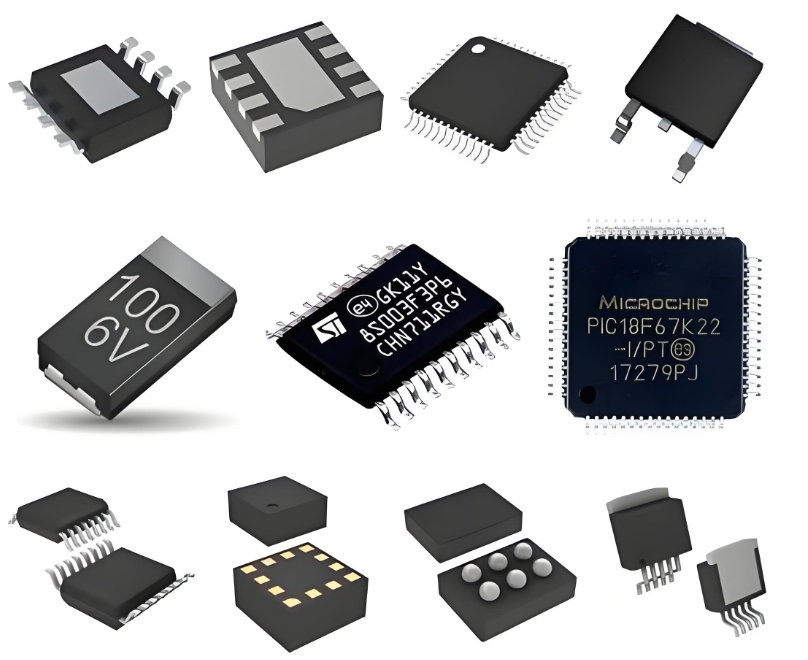
The device features a symmetric block architecture, dividing its memory array into 128 uniform 128-Kilobyte blocks. This uniform structure simplifies memory management for the system software, as each block can be independently erased and reprogrammed. The block erase time is remarkably fast, typically taking just 0.7 seconds per block, which significantly accelerates firmware update routines.
For the system processor, interacting with the chip is streamlined through a write state machine (WSM) embedded within the memory itself. This intelligent controller automates all complex timing and algorithm steps required for programming and erasure. This not only offloads the system CPU from tedious low-level management but also helps prevent errors and ensures data integrity during write cycles. The interface is command-based, where the host simply writes specific instructions to the chip's command register, and the internal WSM executes the task to completion.
Furthermore, the 28F128J3D75 incorporates several robust protection mechanisms. It includes hardware and software lock-out features to prevent accidental writes or erasures to critical boot code or sensitive data segments. Its durability specifications are impressive, supporting a minimum of 100,000 program/erase cycles per block and offering data retention of up to 20 years, guaranteeing long-term reliability for deployed systems.
ICGOOODFIND: The Intel 28F128J3D75 is a quintessential example of early high-density flash memory innovation. Its combination of a 3.3V single power supply, symmetric block architecture, and an integrated write state machine provided a powerful, efficient, and reliable non-volatile memory solution that helped drive the capabilities of countless electronic devices in its time.
Keywords: Flash Memory, 3.3V Power Supply, Write State Machine, Block Erase Architecture, Non-Volatile Storage

