
Intel E28F800B5T70: A Deep Dive into the 8-Megabit Boot Block Flash Memory Chip
In the landscape of late-1990s and early-2000s computing and embedded systems, the Intel E28F800B5T70 stood as a pivotal component, enabling critical functionalities in a wide array of devices. This 8-megabit (1-megabyte) boot block flash memory chip was engineered for one primary purpose: to reliably store and execute fundamental system code, ensuring a device could start up correctly every time.
Architecturally, the chip is organized as 1,048,576 words x 8 bits or 524,288 words x 16 bits, offering design flexibility. Its most defining characteristic is its asymmetrically segmented memory array. Unlike uniform flash chips, the E28F800B5T70 features a dedicated boot block sector. This 16-kilobyte section, typically located at the highest or lowest memory address, is physically protected. It can be locked by the system to prevent accidental or malicious erasure, guaranteeing the persistence of the initial boot code or recovery firmware, even if other sections are updated or become corrupted.
The chip operates on a single 3.3-volt power supply (VCC), which was a significant advantage for power-sensitive applications. It supports both a standard microprocessor interface and a write state machine, simplifying integration and offloading complex erase-and-program algorithms from the main CPU. With a 70ns fast access time, it allowed for swift code execution directly from the flash memory (XIP - Execute-In-Place), which was crucial for minimizing system boot times and reducing the need for additional RAM.
Durability was a key design focus. Each memory block was rated for a minimum of 100,000 erase/write cycles, a substantial figure that ensured longevity through numerous firmware updates. Furthermore, its data retention capability was specified to be greater than 10 years, making it a trustworthy medium for long-term storage of essential code.
The applications of the Intel E28F800B5T70 were vast and critical. It was the cornerstone of firmware storage in:
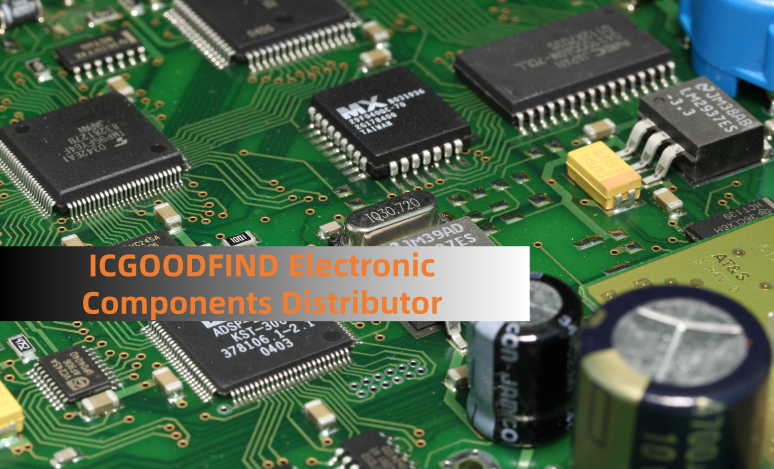
Motherboard BIOS chips in PCs and servers.
Network infrastructure equipment like routers and switches.
Telecommunications systems and industrial control systems.
Automotive electronics for engine control units (ECUs) and infotainment systems.
Its boot block architecture provided a failsafe mechanism; if a main firmware update failed, the system could often fall back on the protected boot code to initiate a recovery process.
ICGOOODFIND
The Intel E28F800B5T70 was far more than a simple storage chip; it was a foundational element of system integrity and reliability. Its innovative asymmetric boot block architecture, combined with 3.3V operation and robust endurance, set a standard for reliable firmware storage in an era of rapidly evolving digital technology. It exemplifies the engineering philosophy of building a secure and recoverable hardware foundation, a principle that remains critically important in today's embedded systems.
Keywords: Boot Block Flash Memory, Intel E28F800B5T70, Firmware Storage, 3.3V Operation, Execute-In-Place (XIP)

